
Services
Explore our comprehensive array of services, designed to empower you, and let us be your trusted partner in achieving success.
Solar Panel Installation
Solar panel installation services encompass a range of activities related to the design, placement, and connection of solar energy systems. These services are typically provided by specialized solar installation companies or contractors. Here’s a breakdown of what solar panel installation services typically involve:
1. Site Assessment
Before installation, a thorough assessment of the site is conducted. This includes evaluating the available sunlight, shading, and the structural integrity of the location where the solar panels will be installed. The goal is to determine the optimal placement for maximum sunlight exposure.
2. Design and Planning
Based on the site assessment, a customized solar energy system is designed. This involves determining the number of solar panels needed, the type of panels (MONOPERC, BIFACIAL, TOPCon), and the layout of the system. The design also considers local regulations and building codes.
3. Permitting
Solar panel installation services often include assistance with the permitting process. This involves obtaining the necessary approvals and permits from local authorities and utility companies. This step ensures compliance with regulations and grid connection requirements.
4. Equipment Procurement
The installation service provider is responsible for procuring all the necessary solar panels, inverters, mounting structures, wiring, and other components required for the system. They may work with reputable suppliers to ensure the quality of the equipment.
5. Installation
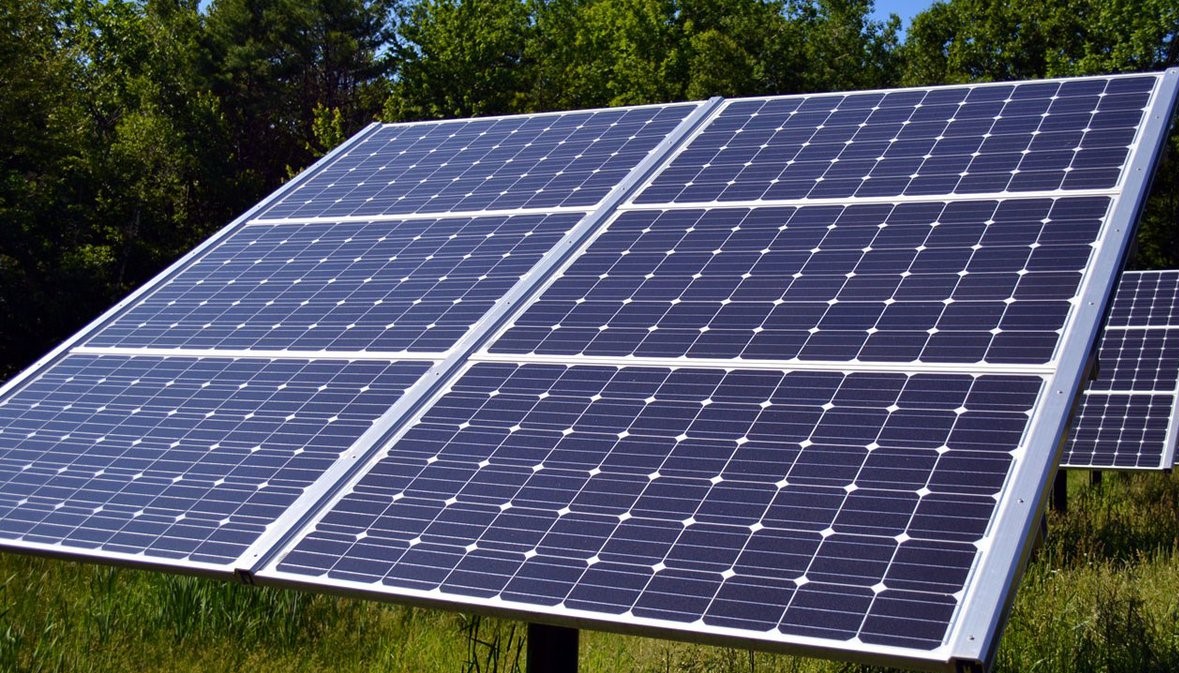
The actual installation involves mounting the solar panels on rooftops or ground-mounted structures, connecting them with wiring, and installing inverters to convert the generated DC power into usable AC power. This process is carried out by trained and certified technicians.
6. Grid Connection
In grid-tied solar systems, the installation service includes connecting the solar energy system to the local electrical grid. This step may involve coordination with the local utility company and the installation of a bi-directional meter to measure energy production and consumption.
7. Testing and Commissioning
After installation, the system undergoes thorough testing to ensure all components are functioning correctly. This includes checking the electrical connections, verifying the performance of the inverters, and conducting other quality assurance tests.
8. Monitoring and Maintenance
Some installation services offer monitoring services, allowing homeowners or businesses to track the performance of their solar energy system. Additionally, maintenance services may be provided to address any issues that arise over time and ensure the system’s continued efficiency.
9. Customer Education
Installation services include educating the customer about the operation and maintenance of their solar energy system. This helps users maximize the benefits of their investment and understand how to monitor their energy production.
10. Warranty and Support
Installation services provide warranties on both equipment and workmanship. we also offer ongoing support to address any issues or concerns that may arise after the installation.
“Outstanding service and products at a reasonable price.”
— Happy Customer
 SIDVA Solar Systems