
Products
Our solar panels offer high efficiency, exceptional quality, and significant environmental benefits by harnessing renewable energy, reducing carbon footprints, and promoting sustainable power generation.
MONOPERC Solar Panels
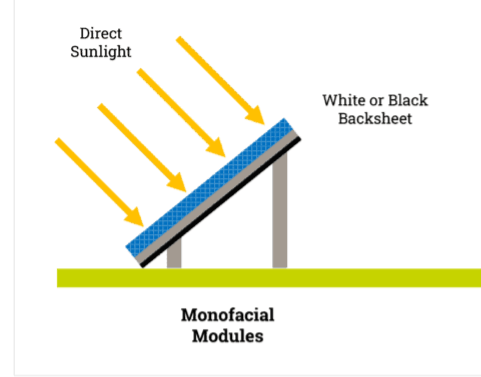
MONOPERC (Monocrystalline Passivated Emitter and Rear Contact) solar panels are a type of high-efficiency photovoltaic (PV) module that utilizes monocrystalline silicon combined with PERC (Passivated Emitter and Rear Contact) technology to enhance performance and energy output. These panels are designed to reduce energy loss, increase light absorption, and improve the overall efficiency of solar energy conversion.
MONO PERC solar panels are constructed using monocrystalline silicon—which consists of a single crystal structure, allowing for better electron movement and higher energy conversion efficiency compared to polycrystalline silicon. The “PERC” technology involves adding a passivation layer on the rear side of the solar cell, which reduces electron recombination (the process where electrons are lost instead of being used to generate electricity). This passivation layer enhances the panel’s ability to capture and convert light into electricity.
The combination of monocrystalline silicon and PERC technology results in higher performance and efficiency, making MONO PERC panels a popular choice in both residential and commercial solar applications.
Benefits of MONOPERC Solar Panels
Higher Efficiency: MONO PERC solar panels typically achieve efficiencies ranging from 18% to 22%, significantly higher than traditional polycrystalline panels. The PERC technology reduces recombination losses, allowing the cells to capture more energy from sunlight and convert it into usable electricity, leading to higher overall energy output.
Better Performance in Low-Light Conditions: The PERC technology enhances the panel’s ability to capture sunlight even in low-light conditions, such as cloudy days or during early morning or late afternoon hours. This makes MONO PERC panels highly effective for areas with less direct sunlight or where sunlight is diffused.
Reduced Power Losses: The passivation layer used in the PERC design reduces electron recombination, a common cause of energy loss in traditional solar panels. By minimizing this loss, MONO PERC panels can generate more electricity from the same amount of sunlight, improving overall energy yield.
Better Temperature Coefficients: MONO PERC panels are more efficient in higher temperatures compared to standard panels. This means that their performance is less impacted by heat, making them well-suited for installation in warmer climates or areas where temperatures fluctuate.
Enhanced Durability: Due to their construction with high-quality monocrystalline silicon and advanced PERC technology, MONO PERC panels have improved resistance to aging and degradation. This contributes to a longer lifespan, which is typically 25 years or more, ensuring reliable energy production over time.
Compact Design and Space Efficiency: With higher efficiency, MONO PERC solar panels generate more electricity per square meter compared to traditional panels. This is especially useful for applications where space is limited, such as residential rooftops, urban installations, or areas with limited solar panel placement.
Aesthetic Appeal: MONO PERC panels, being made from high-quality monocrystalline silicon, have a sleek, uniform appearance, which can be an aesthetic advantage for residential and commercial buildings. Their dark, consistent color is often considered more visually appealing than polycrystalline panels.
Increased Return on Investment (ROI): Though MONO PERC panels might come with a higher upfront cost compared to traditional solar panels, their increased efficiency and performance typically result in lower overall system costs for the amount of energy they generate. This leads to a better long-term return on investment, making them a cost-effective solution over the lifespan of the system.
Wide Applicability: MONO PERC panels are suitable for a variety of applications, from residential rooftops to commercial and industrial installations. They are also a strong choice for solar power plants, where high energy yields and long-term performance are essential.
BIFACIAL Solar Panels

BIFACIAL solar panels are a type of photovoltaic (PV) module designed to capture sunlight on both the front and rear sides of the panel, enhancing overall energy production. Unlike traditional monofacial panels, which only capture sunlight on the front, bifacial panels utilize a reflective surface beneath the panel (such as white rooftops, snow, or ground) to reflect additional light onto the rear side of the panel. This unique design allows bifacial panels to harness sunlight from multiple angles and increase energy output.
Bifacial solar panels typically consist of a transparent backsheet or glass layer, enabling light to pass through to the rear side of the cells. They are constructed similarly to conventional solar panels, with high-efficiency monocrystalline or polycrystalline solar cells. The panel’s ability to generate power from both sides gives it a significant advantage in terms of total energy yield.
Benefits of Bifacial Solar Panels
Increased Energy Output: The most significant benefit of bifacial panels is their ability to produce more energy. By capturing sunlight from both the front and rear sides, bifacial panels can generate up to 30% more electricity than monofacial panels in ideal conditions, depending on the level of rear-side light reflection.
Improved Performance in Reflective Environments: These panels are particularly effective when installed in areas with reflective surfaces, such as white rooftops, snow-covered ground, or light-colored soil. The rear-side reflection can significantly boost energy production, especially in areas with high albedo (reflectivity).
Enhanced Durability: Many bifacial solar panels feature durable glass on both the front and back, which can make them more resistant to environmental factors like dust, dirt, and moisture. This often results in a longer lifespan compared to traditional panels.
Higher Efficiency in Low-Light Conditions: Bifacial panels are more effective in diffused or low-light conditions since they can capture reflected sunlight. This feature is advantageous in overcast weather or during the early morning and late afternoon when sunlight is less direct.
Aesthetic Flexibility: Bifacial panels often have a sleek, transparent back that can be appealing in certain installations, allowing for more flexibility in design, especially for rooftop and ground-mounted systems.
Better Return on Investment (ROI): With the potential for higher energy yields, bifacial solar panels can offer a better return on investment. While the initial cost may be higher than monofacial panels, the increased electricity generation and improved efficiency often make bifacial panels a cost-effective choice over the long term.
Optimized Performance in Large-Scale Installations: Bifacial solar panels are especially beneficial in utility-scale solar power plants, where maximizing energy output and space utilization is critical. The additional energy harvested from the rear side can lead to a significant reduction in the overall cost of electricity generation.
TOPCon Solar Panels
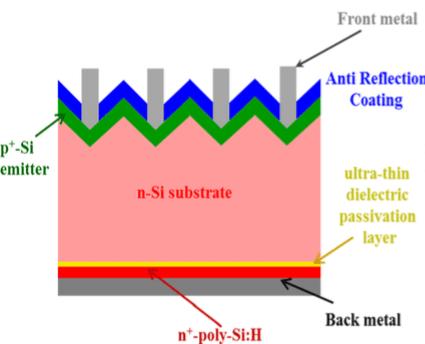
TOPCon (Tunnel Oxide Passivated Contact) solar panels are a type of high-efficiency photovoltaic (PV) module that uses advanced technology to enhance the performance and longevity of solar cells. TOPCon technology is a modification of the traditional PERC (Passivated Emitter and Rear Cell) design, featuring a thin layer of oxide and passivated contacts at the rear of the solar cells. This design aims to reduce recombination losses, improve light absorption, and ultimately increase the overall efficiency of the solar panel.
TOPCon solar panels incorporate a thin oxide layer placed between the silicon wafer and the passivated contact. This layer helps minimize the recombination of charge carriers, which occurs when electrons and holes (positive charge carriers) combine, resulting in energy loss. The passivated contacts also improve the collection of these charge carriers, resulting in higher energy output. This innovative design enhances the efficiency and performance of the cells, making them suitable for various solar applications.
Benefits of TOPCon Solar Panels
Higher Efficiency: The most notable benefit of TOPCon solar panels is their enhanced efficiency. These panels can achieve energy conversion rates in the range of 22-24%, surpassing traditional solar panels and competing with other high-efficiency technologies like bifacial and PERC panels. The reduced recombination losses and better charge collection contribute to higher overall energy output.
Improved Performance in Low-Light Conditions: Thanks to the improved passivation and contact layers, TOPCon solar panels exhibit better performance in low-light or diffuse-light environments. This means they can generate more electricity even during cloudy days, in early morning or late afternoon, and in locations with less direct sunlight.
Reduced Energy Losses: The tunnel oxide layer in the TOPCon design minimizes charge carrier recombination, resulting in lower energy losses. This leads to better energy yields and more efficient use of the available sunlight.
Increased Durability and Longevity: TOPCon technology offers improved resistance to degradation, especially in challenging environmental conditions. The enhanced cell design is less prone to performance losses over time, increasing the lifespan of the panels and reducing the need for maintenance or replacement.
Better Temperature Coefficients: TOPCon solar panels tend to perform better in high-temperature environments compared to traditional silicon-based panels. This means they are more efficient in hotter climates where other panels might experience reduced performance due to heat.
Enhanced Module Power Output: The combination of higher efficiency and reduced energy losses means TOPCon solar panels can produce more power from the same area, making them ideal for installations where space is limited or where maximum power generation is desired.
Scalability for Large-Scale Applications: TOPCon panels are highly scalable, making them a strong choice for both residential and commercial installations, as well as large-scale utility solar farms. Their ability to produce higher power output makes them suitable for large solar power plants that require maximum energy production.
Cost-Effective Over Time: Although TOPCon solar panels may come with a higher upfront cost than standard panels, their higher efficiency and long-term performance can lead to better returns on investment. The increased energy production can offset the initial investment, leading to lower levelized cost of energy (LCOE) in the long run.
 SIDVA Solar Systems